Ask to Watch, Not to Be Hired: A UK Script for Shadowing a Local Trade for a Day

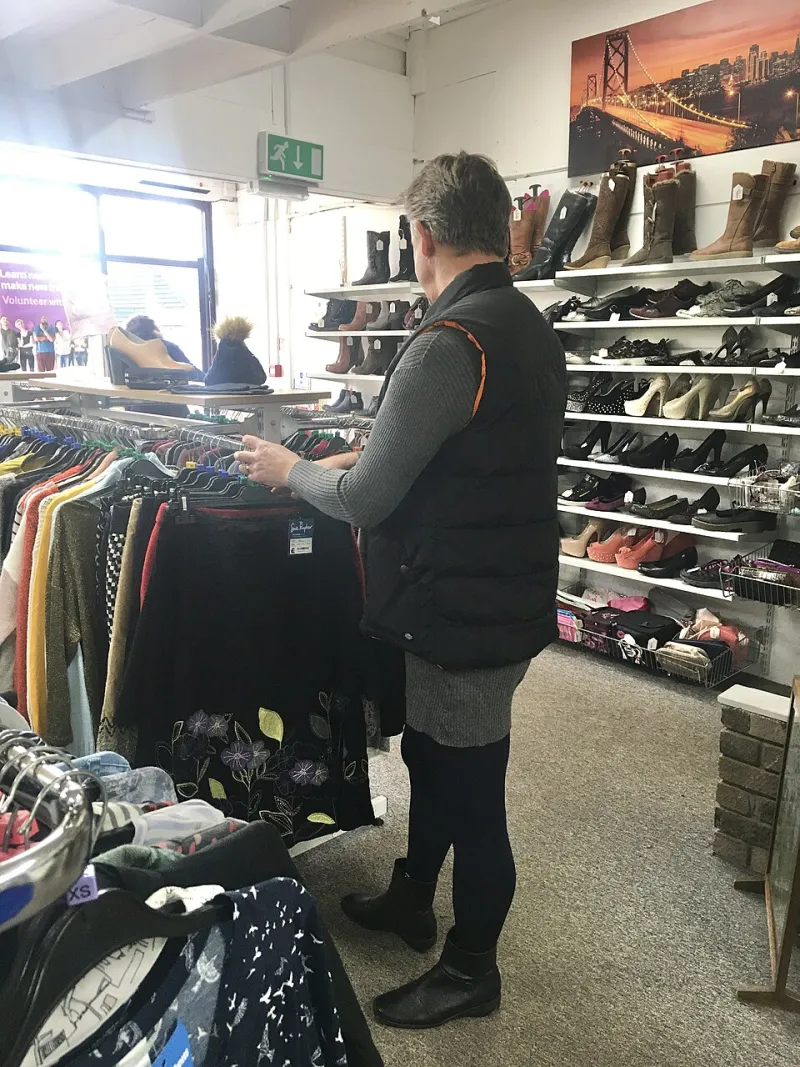
Photo: UK local tradesperson showing adult work shadowing workshop, via s3.amazonaws.com
Adult work shadowing has an image problem. It sounds like something arranged by a school careers adviser, not something you can do at 41 with a mortgage and a vague plan to retrain. But it works. A day spent watching a working business — a joinery, a bakery, a repair cafe, a small accountancy — gives you the texture that websites leave out: the pace, the paperwork, the smell of the place, the bits nobody mentions on the course page.
The trick is to ask for the right thing. You're not asking for a job. You're not asking them to train you for free. You're asking to observe for one day, at their convenience, with no expectation of payment. That's a much easier yes.
Choose the right business
Start local and small. An independent business with two to fifteen people is more likely to have someone who can spare an hour to explain what they do. A national chain will have a head office, a form and a safeguarding policy that wasn't designed for adults. Look for:
- Businesses whose work you actually want to learn, not just any business that will have you.
- A location you can reach by bus, train or a reasonable drive.
- A quiet season. A florist in the week before Valentine's Day is not going to thank you.
- A named person. 'Dear Sir or Madam' rarely gets far.
Check their website for a contact name, or ring and ask who handles work experience or training. If they say they don't offer it, ask whether they'd consider a single day of observation. The answer might still be no, and that's fine.
Write a short request that doesn't sound like a job application
Keep it under 150 words. Say who you are, what you want to learn, what you're asking for, and what you're not asking for. Here's a template you can adapt:
Subject: One-day shadowing request — [trade/skill]
Dear [Name],
I'm [your name], a [job/role] based in [town]. I'm exploring whether [trade/skill] could be a realistic next step for me, and I'd like to understand what the work is actually like day to day.
Would you be open to me shadowing someone in your team for one day? I'm happy to fit around your schedule, sign anything you need, and bring my own PPE. I'm not looking for paid work or a placement — just a chance to observe and ask a few questions.
If it's easier, I'd be glad to have a 15-minute phone call first.
Thanks for your time, [Your name] [Phone number]
Don't attach a CV unless they ask. Don't say 'I'm willing to do anything'. Don't offer to work for free — that blurs the line and can create problems. You're there to watch.
Prepare five useful questions
A shadow day can go one of two ways: you follow someone around like a lost dog, or you arrive with a short list of questions and leave with a plan. Ask about the things a brochure won't tell you:
- What does a normal Tuesday look like, from first job to last?
- Which parts of the work take the most time — and which parts do people underestimate?
- What training or tickets do you actually need for this, and which ones are nice to have?
- What's the most common mistake a newcomer makes?
- If I wanted to test this properly, what would you suggest I do next?
Add one money question if it feels appropriate: how do you price a job, or what's the biggest cost that surprises people? Keep it neutral. You're not auditing them.
On the day: be useful, not invisible
Ask beforehand about dress code and PPE. Steel-toe boots and a high-vis vest are cheap; turning up in trainers on a building site isn't. Arrive ten minutes early, phone on silent, and don't take photos unless you've asked. Offer to make the tea. Take notes at breaks, not while someone is holding a saw. If they're on the phone or with a customer, step back.
At the end, ask one closing question: 'Is there anything I could do to make a follow-up useful?' Then leave when they need you to leave. A good shadow day is short.
Turn one day into something longer
Send a thank-you email within 24 hours. Mention one specific thing you learned. Then ask for one small next step: a recommendation for a course, an introduction to someone else, or a chance to come back for a paid trial day. If they offer a reference, take it — even a short one confirming you turned up on time and asked sensible questions is worth having.
In the UK, the follow-on routes are usually an evening course at a local college, an apprenticeship (yes, adults can do them), a City & Guilds or NVQ qualification, or a paid trial shift. A shadow day won't tell you everything. But it will tell you whether the reality matches the idea. That's worth a polite email.