The High Street Research Room: A Free Hour Before You Build
Most business ideas do not fail because the founder did not dream big enough. They stumble because nobody checked who else was already doing it, what customers actually pay, or which rules apply. The good news is that some of the most useful answers are sitting behind a library card, often for free.
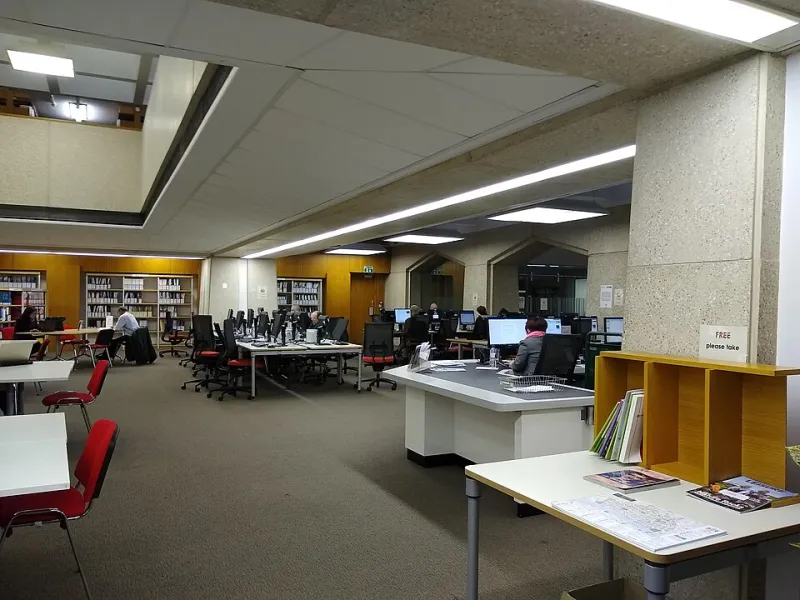
Across the UK, many library services run or host a Business & IP Centre, usually called a BIPC. These are not just shelves of dusty directories. They are practical research rooms with access to business databases, company records, market reports, trademark information and patent searches. Some of that material would cost hundreds of pounds if you bought it directly. In 2026, it is still one of the quietest free advantages on the high street.
Start with the card, not the coffee
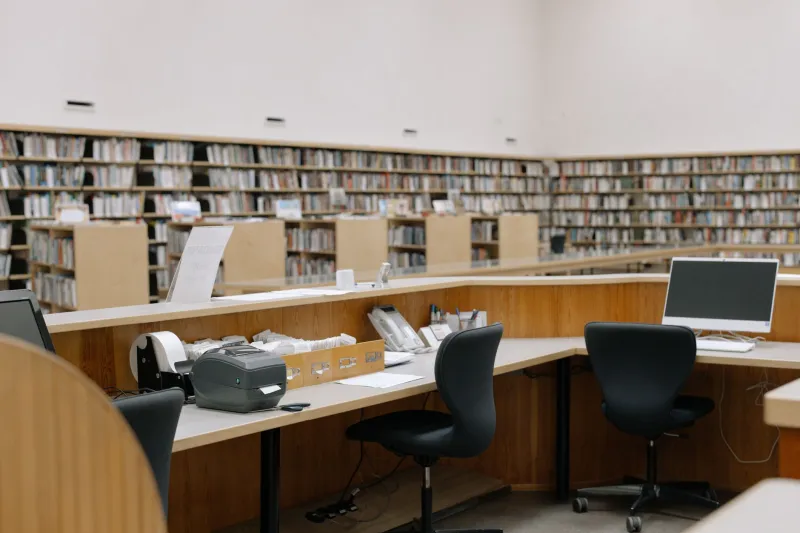
Walk into your local library and ask a simple question: do you offer business research access? Not every branch has the full service, but staff can usually tell you which nearby library does, what you can use remotely, and whether you need to book a computer.
Take your library card, some form of ID if you are joining, and an email address you actually check. Ask three things before you sit down:
- Which business databases can I use with my card?
- Can I access any of them from home?
- Is there a Business & IP Centre adviser or a free business event coming up?
If the library has a BIPC, ask for the business librarian or the reference desk. You do not need a polished pitch. Something like: I am testing a small business idea and I want one hour of research. What would you point me to first?
The sixty-minute plan
A free hour can disappear fast if you start clicking around. Treat it like a short appointment with yourself.
0 to 10 minutes: define the question
Write one sentence on a piece of paper or in a notes app. For example: I want to know whether a mobile bike repair service can find 30 paying customers in my town at £45 a visit. That sentence keeps you focused. It also gives the librarian something concrete to work with.
10 to 25 minutes: try the free-first shelf
Start with the resources that are free to everyone, then move to the subscription databases. Companies House is free and tells you which similar companies exist and whether they are active. The Intellectual Property Office has free trademark searches. Espacenet offers patent information. Your council website will list licensing rules and local business support. The Office for National Statistics gives you population and employment data for your area.
Only after that should you ask for the bigger market research databases. Many library services provide access to COBRA, the Complete Business Reference Adviser, which is packed with practical start-up guides. Others offer market reports, grant finders or industry data. Availability varies, so ask rather than assume.
25 to 45 minutes: use the librarian
This is the part people skip. Librarians are trained to find things, not to tell you whether your idea is good. Ask them to help you search, not to decide for you. Useful requests include:
- Can you show me how to find competitors in this sector?
- Is there a market report on this industry that I can access through the library?
- How do I save or cite this database so I can find it again?
- Do you have a printer or scanner, and what does it cost?
Write down the name of every database you use and the date you used it. You will forget otherwise.
45 to 60 minutes: capture and stop
Do not try to read everything. Save the PDFs, email yourself the links and take a few notes. Then stop. The goal is not to become an expert in an hour. The goal is to leave with better questions and a clearer next step.
What to ask, word for word
If you freeze at the desk, borrow this script:
I am at the early stage of a business idea. I have about an hour. I would like to check the market size, find a few competitors and understand any obvious licensing rules. Which databases or reference sources would you suggest first?
That is specific, honest and easy to answer. It also signals that you are not asking the librarian to validate your idea.
Turn it into a one-page brief
Before you leave the building, open a blank document and create eight headings:
- The idea in one line.
- Who pays, and how often.
- Who already does this.
- What the market roughly looks like.
- What it might cost to start.
- Rules, licences or insurance to check.
- The gap or angle I can test.
- Sources and dates.
Fill in what you found. If a section is empty, that is a finding too. It tells you what to research next. Keep the whole brief to one page. A one-page brief that gets used beats a twenty-page document that gets admired once and forgotten.
The limits of a free hour
A library session is not full due diligence. Database access varies by council. The librarian is not your accountant, solicitor or business adviser. Market reports can be broad, and local demand still needs real conversations with real customers. Use the hour to rule things in or out, not to prove your idea beyond doubt.
Before you leave, ask about remote access, free business workshops and whether you can book a follow-up session. Save the librarian's name and the reference desk number. Then go and test one small thing in the real world, whether that is a flyer, a conversation with five potential customers or a single paid trial.
The library card in your wallet is not just for novels. Used well, it is a free pass to the kind of research that helps you build something on purpose rather than guesswork.