The Things That Expire Without Telling You: A Thirty-Minute UK Document Audit
Expiry is a strange kind of silence. A smoke alarm chirps. A car makes a noise. A passport, a DBS certificate, a domain name and a first-aid certificate all lapse without so much as a polite cough. You find out at the worst possible moment: at the airport desk, in a new employer's onboarding portal, or the day a client asks to see your insurance certificate.
The fix is not a big life overhaul. It's a half-hour sweep, done once, then repeated perhaps twice a year. Here's how to run it without turning your kitchen table into an incident room.
Why this catches almost everyone
Most of us keep documents in three or four places — a folder, a drawer, a photo on the phone, an email inbox, and a portal we last logged into during a previous job. Expiry dates are scattered just as widely. The passport lives in a safe place so safe you forget it. The driving licence photocard is tucked in a wallet. The DBS certificate is in a PDF you saved in 2021. The insurance renewal arrives as an email you meant to read.
None of those things announce themselves. So the sweep works best as a short, slightly boring ritual rather than a panicked spring clean.
The three-pile method
Get everything dated into one place — physical pile, spreadsheet, notes app, whatever you'll actually open. Then sort each item into one of three piles:
- Renew now. Anything already expired, or expiring within the next eight to twelve weeks.
- Diarise with a lead time. Still valid, but you need a calendar reminder set well before the date.
- Let it go. Things you no longer need and can stop tracking entirely.
The third pile is the one people skip, and it's the one that keeps the list short next time.
What to pull out and check
Work through this list briskly. You are not reading every page — you are hunting dates.
Passport. Check the expiry date, and also check the rules for your destination if you're travelling. Some countries want six months' validity beyond your return date. A UK adult passport renewal usually takes around three weeks if you apply online and your photo is accepted first time. That's the normal service, not the premium one — assume longer if there's a backlog, a name change or a damaged document.
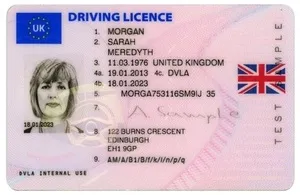
Driving licence photocard. The photocard needs renewing every ten years. The expiry is on the front, in section 4b. Renewing online is usually quick — often a week or so — but the DVLA warns that it can take longer if they need to check your medical details or your photo is rejected. If you've moved house and never updated it, deal with that at the same time.
DBS certificate. These don't technically expire, but many employers treat anything older than three months as stale, and the Update Service is what keeps a certificate current. If you're not subscribed, note the date and decide whether a new check is likely to be needed for the work you do.
First-aid and similar training certificates. First-aid at work certificates typically last three years. Food hygiene, safeguarding, manual handling and similar certificates all have their own rhythms. Check the certificate itself rather than guessing, and book the refresher before the current one lapses — some employers will not let you work without a current certificate on file.
Insurance policies. Home, car, contents, business, professional indemnity. Note the renewal date for each and, more importantly, note the cancellation or change window. A renewal you meant to shop around for is money quietly leaving your account.
MOT and vehicle tax. These are easy to check online and easy to forget. A car without a current MOT is not just an admin problem.
Business domain name and website hosting. If you run a small business or a side project, these renew automatically until the day a card expires. Check the renewal date, the card on file, and whether auto-renew is actually switched on. A lapsed domain can be picked up by someone else within days.
Professional memberships and accreditations. If your trade body, insurance-backed guarantee or certification has an annual renewal, it belongs on the list.
Visas, permits and travel documents. If you hold anything with an expiry date, check it now rather than the week you need it.
Set the reminder, not the renewal
The mistake almost everyone makes is diarising the expiry date itself. By then you're already late. Diarise the renewal date instead — the day you need to start the process, not the day the document dies.
A rough rule: take the typical processing time, add a fortnight of buffer, and set the reminder that far ahead. For a passport, that means starting about six weeks before you need it in hand. For a driving licence, three to four weeks. For first-aid training, a month gives you a choice of course dates rather than whichever one is left.
Label the reminder with the actual action — "renew passport online" — not "passport". Future you will be grateful for the verb.
Let some things go
It's tempting to keep tracking everything forever. Resist that. If a certificate is for a job you left in 2022, if a membership no longer serves you, if a domain is for a project you've wound up — decide, deliberately, to stop renewing it. A shorter list you actually maintain beats a long one you ignore.
Do it again in six months
The sweep takes about thirty minutes the first time and closer to ten thereafter. Put a repeating reminder in your calendar for a Sunday morning in spring and autumn. Make a cup of tea, open the list, update the dates, close the list.
That's the whole system. No filing cabinet reorganisation, no new app, no colour-coded folder. Just a short, honest look at the things that run out quietly — so the next time a trip, a job offer or a client contract lands on you, the paperwork is already sorted.